The Family of Humanity
A Global Portrait for the 21st Century
White Paper
Executive Summary
The 150th anniversary of Edward Steichen’s birth occurs in 2029. »The Family of Humanity« will reimagine his landmark 1955 exhibition »The Family of Man« for the 21st century. This ambitious global photography project will explore our shared human experience across all continents, creating both physical exhibitions and an innovative digital platform that transcends borders, cultures, and generations.
In an age defined by division and digital distraction, the project proposes something radical: communal space for presence rather than persuasion, an invitation to witness humanity beyond politics and propaganda. Led by award‑winning photographer Richard Pilnick, »The Family of Humanity« will stand as a definitive visual archive of what it means to be human in the early 21st century.

© Richard Pilnick
© Richard Pilnick
Background and Context
The Legacy of »The Family of Man«
Edward Steichen’s 1955 exhibition »The Family of Man« remains one of the most significant photography projects in history. Featuring 503 photographs selected from 2 million submitted images by 273 photographers from 68 countries, it has been viewed by over 9 million people worldwide and continues to hold cultural significance nearly seven decades later. It stands as the only UNESCO-recognised photographic exhibition, inscribed in the Memory of the World Register in 2003, a testament to its enduring importance as a cultural landmark. Steichen’s vision was simple yet profound: to demonstrate photography’s role in explaining »man to man and each man to himself«. The exhibition transcended cultural and national boundaries to showcase universal human experiences; birth, love, joy, work, family, and death.
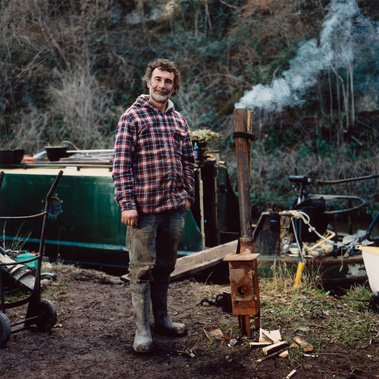
© Sebastien & Louise
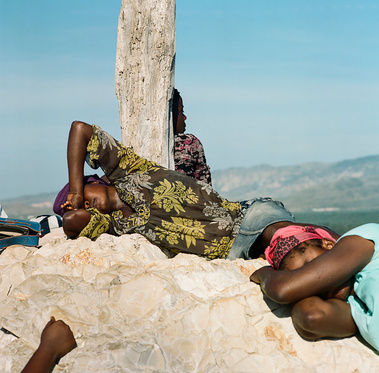
© Thomas Freteur

© Richard Pilnick
The Need for a Contemporary Vision
Today’s world bares little resemblance to that of 1955. Globalisation, digital technology, climate change and unprecedented migration have transformed human experience. We now live in an age defined by image, where photographs no longer simply document but actively construct meaning. As writer Susan Sontag observed, our relentless exposure to images of suffering, beauty and spectacle has created a paradox: while visually connected as never before, we often experience compassion fatigue and emotional detachment. Contemporary photography must navigate this reality, finding new ways to foster genuine connection rather than merely adding to the visual noise.
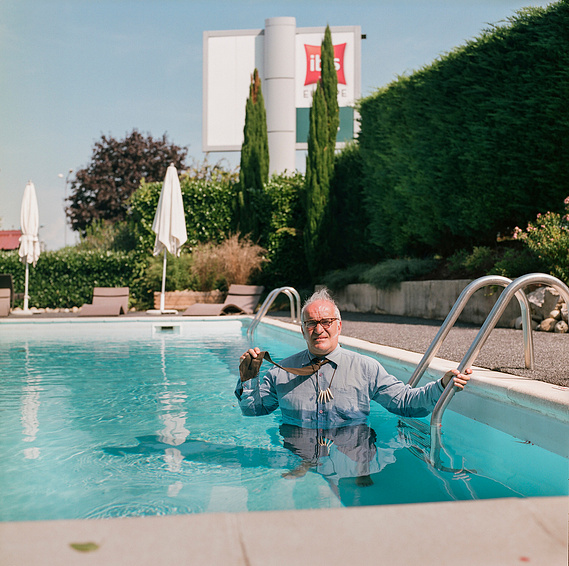
© Thomas Freteur
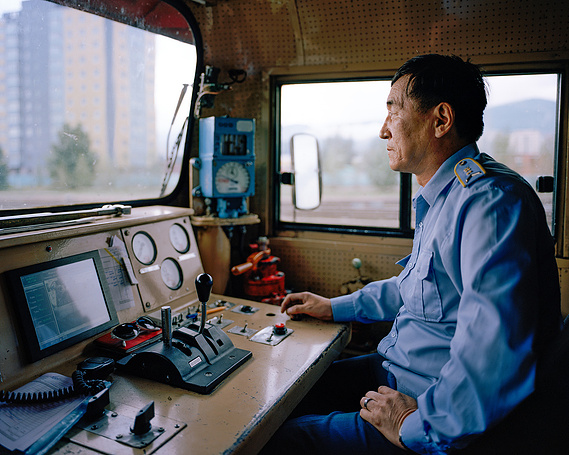
© Richard Pilnick
Project Vision
»The Family of Humanity« emerges from this recognition. It seeks neither to compel empathy nor to anaesthetise with beauty. It is not here to persuade, preach or provoke. Instead, it offers something rarer and more radical: space for authentic witness. This project is about connection and our shared human experience, visual truths that speak across borders and generations. In a culture of acute analysis and explanation, we do not seek thought but presence; something unnameable but real. It is about the world, not as it is told to us, but as it is felt. It is about what it means to be human. By relinquishing the power to dictate meaning, we place trust in the viewer, trust that they can bare uncertainty, that they can look quietly, even into images that offer no easy interpretation. We ask not for sympathy or outrage, but simply for presence.
The project is guided by an Advisory Committee comprising senior figures from Magnum Photos, the Luxembourg Ministry of Culture, the European Month of Photography, and the UNESCO Chair for Human Rights, alongside a forthcoming Curatorial Board of international photographers and curators.

© Maria Fynsk Norup
The project is guided by an Advisory Committee comprising senior figures from Magnum Photos, the Luxembourg Ministry of Culture, the European Month of Photography, and the UNESCO Chair for Human Rights, alongside a forthcoming Curatorial Board of international photographers and curators.
© Maria Fynsk Norup
Project Execution
Timeline Overview (2026–2029)
Phase 1 (2026): Foundation, announcement & outreach.
Phase 2 (2026): Photographer selection & onboarding
Phase 3 (2027): Production-global shooting period (all works made in 2027) and platform build
Phase 4 (2028): Curation, editing, and post‑production
Phase 5 (2029): Exhibition (Luxembourg anchor + global satellites) & publication; launch of immersive digital platform
Phase 1: Foundation & Announcement and photographer outreach and platform creation:
To distinguish »The Family of Humanity« from its predecessor, we begin in the commons of the 21st century: the networked public sphere. We will harness digital platforms not as megaphones but as meeting places, channels for discovery, translation and trust. From our existing communities outward, we will extend a calm, persistent invitation across social networks so the project can travel along human connections rather than advertising spend. The aim is simple: to remove borders and convene a global conversation that lets creativity surface where it lives.
We start quietly. Through live conversations on X (formerly Twitter) Spaces we will seed the vision and listen. A companion podcast will host photographers, critics and curators to examine the project’s premise, its responsibilities and its inheritances. We will meet the historic critiques of »The Family of Man«, universalism, de‑contextualisation, sentimentality, directly and with humility, asking how a 21st‑century undertaking can learn from them and do better.
Participation will be local by design. We will collaborate with photographers from all corners of the world, either those native to a place or long‑term residents, so the gaze remains grounded and the work speaks with an authentic accent. Rather than commissioning a script, we will issue an »Invitation«: a brief that sets intent and ethics, not subjects; an open request to show us how you see. It is a mission, not a mandate.
Alongside this outreach we will build the project’s digital foundation: a multilingual platform for invitations, submissions and dialogue; clear consent and rights frameworks; accessible metadata and caption standards; tools for discovery and curation; and an archival backbone that preserves the work for the long term. The platform will privilege presence over persuasion, quiet interfaces, slow looking, and context that does not crowd out experience.
As this first phase unfolds, a body of work will begin to cohere, a planetary notebook of images through which the world appears as it is felt. In Steichen’s words, photography can help »explain man to man and each man to himself«; this phase prepares the ground so that such explanation can happen, not by statement, but by witness.
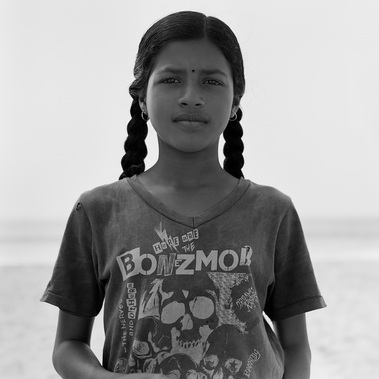
© Richard Pilnick
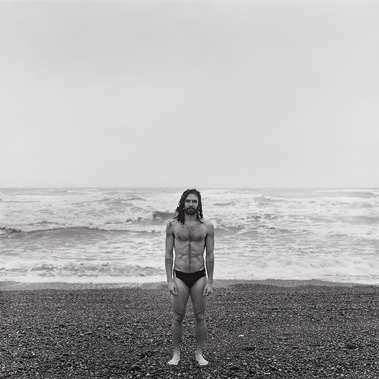
© Richard Pilnick
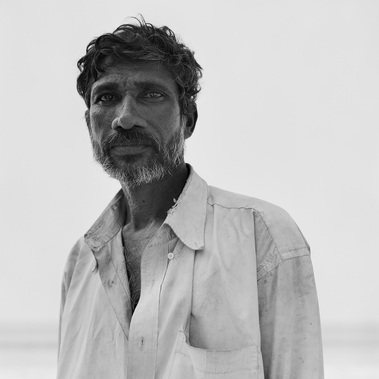
© Richard Pilnick
Phase 2 — Photographer Selection (2026)
- Open call + curated nominations; transparent criteria prioritising local embeddedness, ethical practice, and geographic/disciplinary diversity.
- Onboarding workshops: ethics, consent, safety, metadata, and file standards.
Phase 3 — Production (2027)
- All images created in 2027.
- Light-touch thematic prompts (e.g., “arrival,” “making a living,” “kinship,” “repair,” “thresholds”) offered as optional constellations, not assignments.
- Support desk for field issues (legal, consent, risk).
Phase 4 — Curation (2028)
- Polyphonic edit led by a curatorial team in dialogue with regional advisors.
- Constellation-based exhibition architecture: sequences that invite slow looking without prescribing meaning.
- Editorial sensitivity to historical critiques (context, inequity, representation).
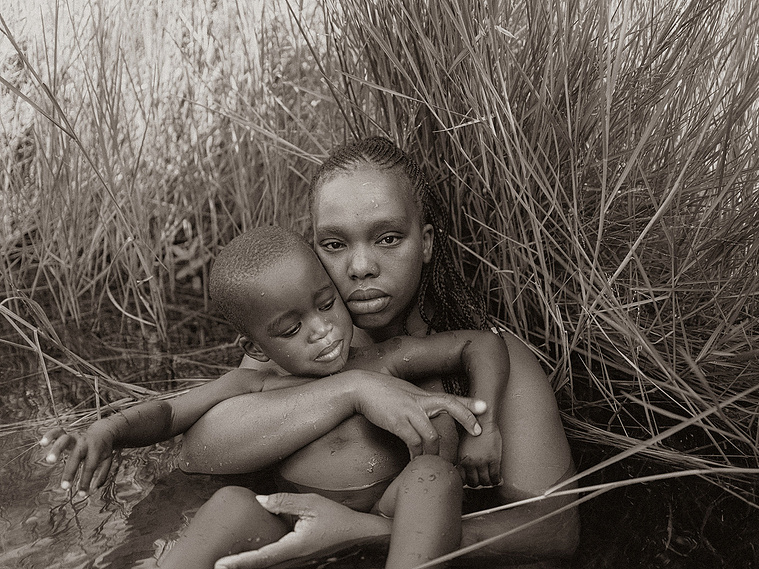
© Angelika Kollin
Phase 5: Exhibition & Publication (2029)
Unlike its predecessor, »The Family of Humanity« will harness the power of contemporary digital tools alongside traditional exhibition spaces. The exhibition of this collection will be centered around Luxembourg where we are in the process of securing space, bringing the project full circle as it was in Luxembourg that Steichen originally wanted the exhibition to be shown, but sadly his proposal was declined as photography was not yet, at the time, sufficiently respected as an art form.
A book publication of the works will accompany the project showcasing the totality of the curation of our curatorial team, and alongside this a digital online immersive gallery experience harnessing the power of technology today.
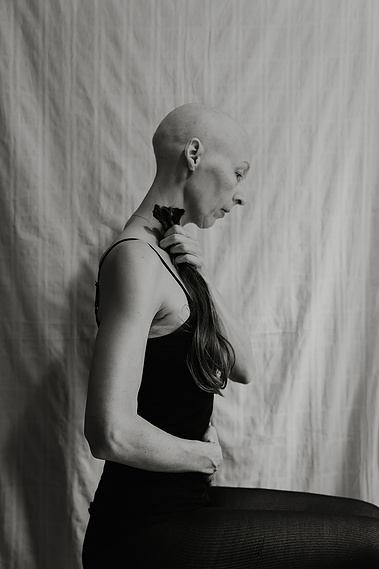
© Maria Fynsk Norup
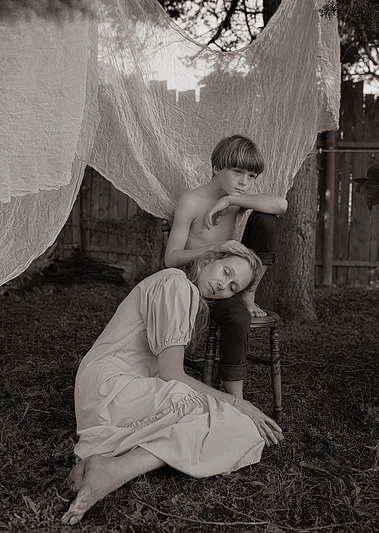
© Angelika Kollin
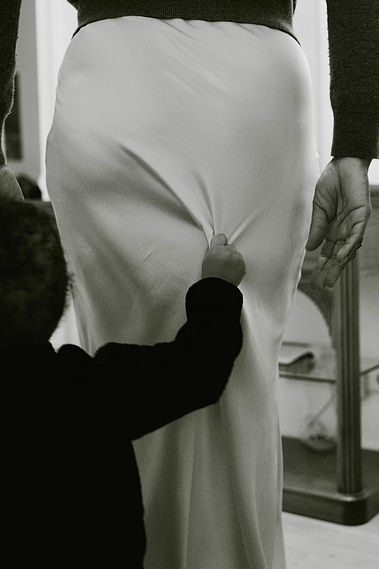
© Emely Timm
Call to Action
»The Family of Humanity« invites visionary partners to join us in creating this landmark project, a quiet gathering of visual offerings that challenge assumptions and foster a new way of seeing. Together, we will create a slow portrait of being, a visual silence long enough to hear ourselves again. What emerges will stand as our collective reflection: a time capsule revealing what remains when the noise falls away and we face what it truly means to be human in the early 21st century.
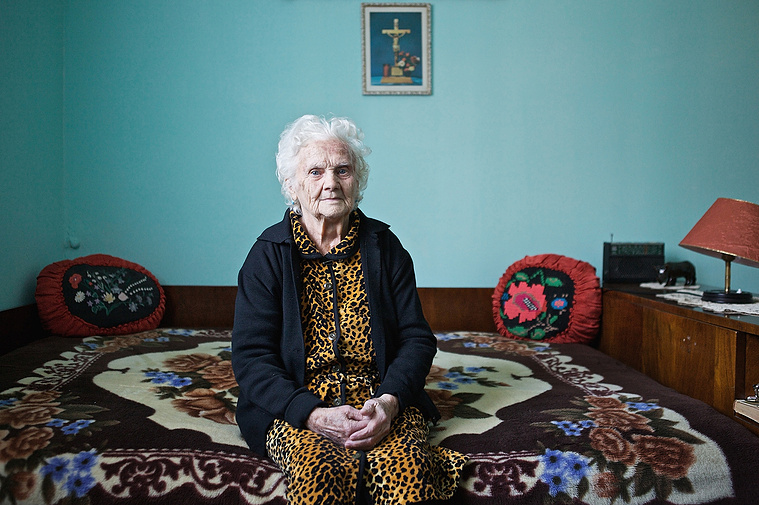
© Marc Schroeder